
Selling a House With Galvanized Pipes in Washington

Can you sell a house with galvanized pipes in Washington?
Yes. Galvanized supply pipes are legal to sell with in Washington, and plenty of Shoreline homes with original plumbing close every month. The real hurdles are the buyer's home inspection and their homeowner's insurance, because many carriers want a plumbing inspection first and charge more for older steel pipe. Your three options are to repipe before listing, offer a credit or price adjustment, or sell as-is with a plumber's report in hand. You also have to disclose what you know about leaks and plumbing defects on Form 17.
By Samantha Schlegel | October 25, 2026
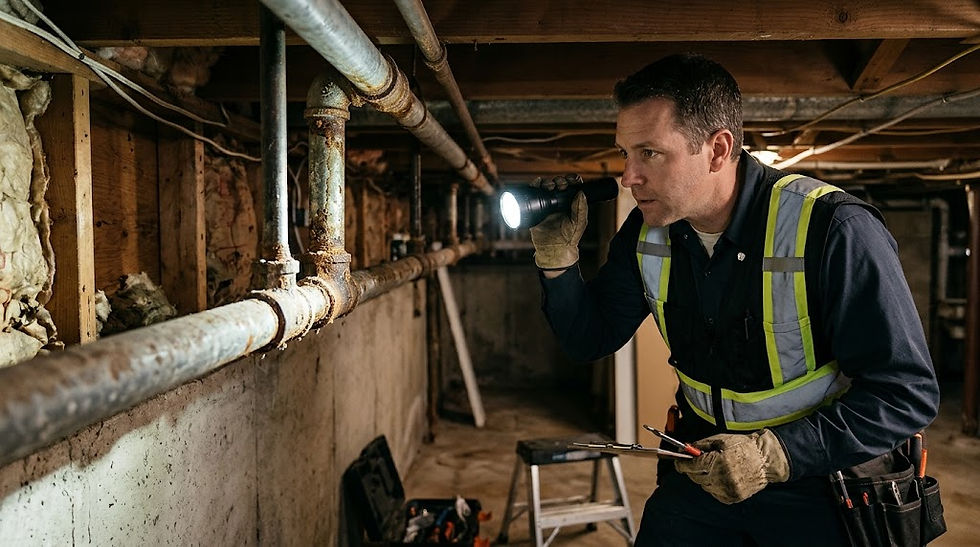
You got the inspection report back, or you're about to list, and one line is bothering you: galvanized supply lines, original to the house. Now you're wondering whether it kills the sale, whether you have to rip out the pipes first, and what a repipe costs.
Here's what I tell sellers who ask me this: galvanized pipe is a negotiation item, not a deal-killer — if you handle it before the buyer finds it. This is one of the most common worries homeowners raise in old-house forums, and it comes up constantly with Shoreline sellers whose homes were built in the 1950s and 60s, when galvanized steel was still a standard choice for water lines.
Why Galvanized Pipes Scare Buyers (and Their Insurers)
Galvanized pipe is steel coated in zinc. It rusts from the inside, so over decades it narrows, drops your water pressure, and can eventually leak. Published guides for older Seattle homes put the useful life at roughly 20 to 50 years, and many houses in this area are well past that.
Buyers get nervous for two reasons:
Cost and mess. A whole-house repipe is a real project, and homes with plaster walls cost more to open up.
Insurance. Galvanized pipe isn't an automatic denial the way knob-and-tube wiring can be. But many carriers ask for a plumbing inspection before they'll write a policy, premiums can run higher, and replacing old pipes is treated as maintenance, not a covered loss.
The insurance piece is what actually decides these deals. A buyer who can't get a policy at a price they accept can't close. If your buyer's lender requires proof of coverage — and they all do — your plumbing is now on the critical path.
Your Three Options: Repipe, Credit, or Sell As-Is
Before you pick one, find out what you actually have. Many older houses are a mix: some copper, some PEX from a past remodel, some original galvanized. A licensed plumber can scope the lines, check water pressure and flow, and tell you in writing which sections are original and what condition they're in. That report is the most useful $200 to $500 you'll spend, and it replaces the buyer's guesswork with facts.
Option 1: Repipe before you list
Published Seattle-area guides put a whole-house repipe at roughly $5,000 to $15,000, and larger or plaster-walled homes can run above that. Get two or three local quotes — the range is wide because of access, number of bathrooms, and wall repair.
Repiping makes sense when your pressure is already poor, you've had leaks, or the house will otherwise sit with a scary inspection line. You also get to market the house as updated. The tradeoffs are the upfront cost, the disruption, and drywall patching and paint afterward. Confirm permit requirements with the City of Shoreline's permit office before work starts, and keep the permit and plumber's invoice for your buyer — unpermitted plumbing creates its own problem, which I cover in my guide to selling a house with unpermitted work in Washington.
Option 2: Offer a credit or price adjustment
If the pipes are old but working, many sellers let the buyer handle the repipe and give them money to do it. A seller credit at closing keeps your cash out of the project, but lenders cap how much credit they allow, so confirm the limits with the buyer's lender. A price reduction avoids that cap. My breakdown of seller concessions in Shoreline explains when each works better.
For example (illustrative numbers only): if a plumber quotes $11,000 and drywall repair adds $3,000, a buyer may ask for $14,000 off. If you have your own quote in hand, you can negotiate from a documented number instead of a scary round one.
Option 3: Sell as-is with a plumber's report
When the house needs other work too, or you're selling for a reason that doesn't leave time for projects, selling as-is can be the cleanest path. Attach the plumber's report and any insurance quote you've gathered so buyers can price the risk. The decision framework in sell as-is or fix it first walks through the math. Expect a bigger discount from buyers who plan to repipe, and expect fewer offers from buyers who can't absorb the project.
What You Have to Disclose on Form 17
Washington sellers complete the Form 17 Seller Disclosure Statement based on what they actually know. If you've had leaks, corrosion, low pressure, past repairs, or water damage, those belong on the form. If you've been told the pipes are galvanized and nearing the end of their life, that's knowledge too. Disclosing it protects you; hiding it is how a closed sale turns into a lawsuit. I cover the whole form in what Washington sellers must disclose on Form 17.
Two practical tips:
Disclose the pipe type and what you've done about it. "Original galvanized supply lines; plumber's report attached; no leaks in the time we've owned the home" is a clear, defensible statement if it's true.
Don't paint over problems. If you've patched a leak or had a stain repaired, say so.
How I Handle It Before Listing
When a Shoreline seller tells me they have galvanized plumbing, I do four things before we price the house: order a plumber's scope, call an independent insurance agent to find out what a buyer will face, compare a repipe quote against the likely discount, and decide how to present the house. The right answer changes with your pressure, your timeline, and what else the house needs. This is exactly the kind of question I work through with sellers before we even list.
Frequently Asked Questions
Can I sell a house with galvanized pipes in Washington?
Yes. There's no Washington law that bans selling a home with galvanized supply lines. You do need to disclose what you know about plumbing defects and leaks on Form 17, and expect the buyer's inspection and insurer to scrutinize the pipes.
Do I have to replace galvanized pipes before selling?
No. A repipe is a choice, not a requirement. It makes sense when the pipes are leaking or failing, or when the house would otherwise lose buyers over the inspection. If the pipes work, a credit, a price adjustment, or a plumber's report can be cheaper.
How much does it cost to repipe a house in the Seattle area?
Published local guides commonly cite roughly $5,000 to $15,000, with larger or plaster-walled homes costing more. Get two or three written quotes from licensed plumbers, because access and wall repair drive the number.
Will galvanized pipes stop my buyer from getting homeowner's insurance?
Usually not by themselves, but some carriers require a plumbing inspection first and may charge higher premiums. Encourage your buyer to get an insurance quote early, during the inspection period, so a surprise doesn't derail closing.
Should I get a plumbing inspection before listing?
In most cases, yes. A plumber's written report tells you what's original, what's been replaced, and how the pipes are performing, so you can pick a strategy before a buyer's inspector makes the decision for you.
Next Step
Galvanized pipe is manageable when you know what you have, what it costs to address, and how your buyer's insurance will react. If you're thinking through this for your own situation, I'm happy to walk you through the numbers and help you choose between repiping, a credit, and selling as-is. Reach out anytime.

About Samantha Schlegel
Samantha Schlegel is a residential listing specialist serving Shoreline and the greater Seattle area, with a focus on sellers navigating complex situations like probate, inherited homes, divorce, and relocation. She believes every seller deserves a strategy tailored to their real circumstances, not a one size fits all approach. Samantha works with Compass Real Estate and is known for guiding clients through tough transitions with clarity and care.


Comments